

 Remi
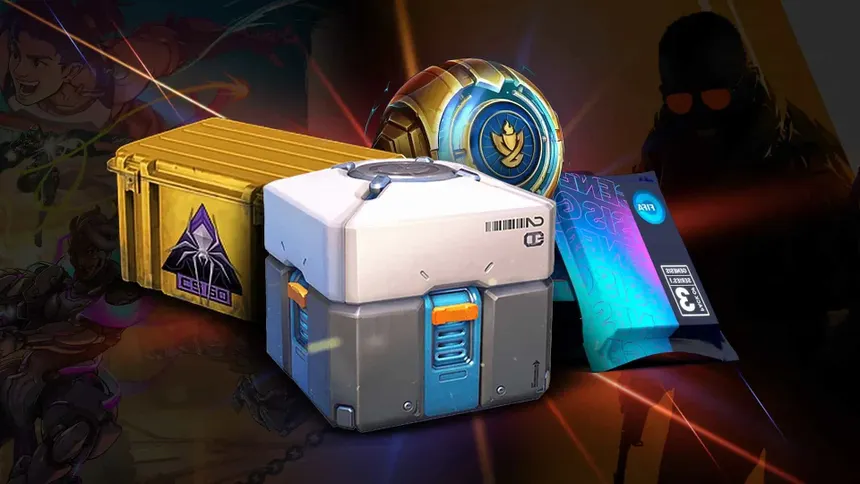
Boot up Counter-Strike 2 on a Steam Deck and you’ll see the familiar loop within minutes: a weapon case drops, a key costs a couple of pounds, and a spinning reel decides whether you get a common pistol skin or a knife worth more than the handheld itself. For years that loop sat in a legal grey zone. In 2026, it is closer to the centre of a real legal fight than it has ever been.
The New York case that put Valve on the defensive
In February 2026, New York Attorney General Letitia James sued Valve in state court. The suit argues that the loot boxes in Counter-Strike 2, Dota 2 and Team Fortress 2 illegally promote gambling, particularly among children and teenagers. It asks the court to ban case openings in New York under state law. A separate consumer class action followed in March. It was filed by the law firm Hagens Berman and makes similar arguments.
Valve’s response, a 42-page motion to dismiss, made headlines for its comparisons. If paying about $2.50 to open a case of randomly ranked items is illegal gambling, the company argued, the same logic could apply to baseball cards, Happy Meal toys, Labubus and blind-box comics. “Can a child reach into a cereal box and pull out a surprise toy?” the filing asks.
The comparison is neater than the reality. A cereal-box toy has no live market price, and CS2 skins do.
Why the skin market changes everything
Valve’s position has long rested on one design choice: money that goes into Steam stays in Steam. You can sell a skin on the Steam Community Market, but the proceeds land in your Steam Wallet, not your bank account. Officially, nothing you unbox can be turned into cash.
Unofficially, a whole economy grew up around that wall. Third-party trading sites let players swap skins for real money. A wave of “skin gambling” sites went further, using items as chips for roulette, coin flips and jackpot games. Valve sent cease-and-desist letters to a number of these sites in 2016 and changed its rules to stop Steam accounts being used for commercial gambling. Even so, the market never really went away.
How much money is tied up in pixels became clear again in October 2025. A single CS2 update let players trade up high-tier skins into knives and gloves, and prices for some of the rarest items dropped sharply in a matter of hours. For many players, it showed that a cosmetic economy can behave a lot like a financial one.
How the UK has handled it
British regulators reached a version of this conclusion early. The UK Gambling Commission, which licenses and regulates gambling in Great Britain under the Gambling Act 2005, has said for years that in-game items can count as money’s worth once they can be traded or cashed out. In 2017, it brought its first prosecution in this area, against the people running a site that let users gamble with FIFA in-game currency.
Loot boxes themselves are a different matter. After a lengthy consultation, the UK government decided in 2022 not to classify them as gambling. It asked the games industry to regulate itself instead. In 2023, the trade body Ukie published 11 principles. Among other things, they say under-18s shouldn’t be able to buy loot boxes without a parent’s consent, and that the odds should be disclosed clearly. Researchers and child-safety groups have since argued that compliance is patchy and enforcement close to non-existent. That keeps the question of formal regulation open.
The UK’s approach therefore leaves a clear split. Paid random rewards inside a game are covered by industry guidance. Anything that lets you stake money for a chance to win money is gambling, and needs a Commission licence.
The other side of the line
That licensed sector runs under a very different rulebook, and the contrast is telling for gamers. UK operators must verify age and identity before anyone plays. Since 2020 they have been banned from accepting credit cards, and they mostly use “closed-loop” payments that return winnings to the method used to deposit. That’s not far from Steam’s own logic of keeping money inside one controlled channel, except that here it’s a regulatory requirement, not a platform choice. Comparison sites document these mechanics in detail. A page like this MrMega Apple Pay casino overview, for example, covers how licensed operators such as LuckyMate, DAZN Bet and SpinYoo handle mobile wallet deposits, withdrawal minimums and processing times. It also lists each operator’s licence number on the Commission’s public register.
Nothing like that applies to a CS2 case. There’s no age check at checkout beyond the account holder’s own declaration, no licence number to look up, and no stake limit. Odds disclosure varies from publisher to publisher. That gap is exactly what the New York suit, and campaigners in the UK, want closed.
What it means if you play on the Deck
For most Steam Deck owners, none of this changes what happens when you press the power button. CS2, Dota 2 and dozens of other games with paid random rewards still run on the handheld, and Valve hasn’t changed its case system in response to the lawsuits. But a few practical points are worth knowing:
- Odds are often published. Many games now list drop rates in-game or on their websites, partly because of the UK principles and similar rules in other countries. It’s worth reading them before buying keys.
- Steam Families has spending controls. If a younger player shares your Deck or account, Steam’s family features let adults approve purchases and limit store access.
- The Steam Wallet is one-way by design. Any site offering to turn your skins or wallet balance into cash is operating outside Valve’s rules, and often outside the law in the UK.
- Watch the courts. A ruling against Valve in New York wouldn’t automatically change anything in Britain. But it would put fresh pressure on a UK settlement that many already see as fragile.
For now, Valve is betting that a weapon case is closer to a pack of trading cards than a slot machine. Regulators on both sides of the Atlantic have yet to give a final answer, and the result will shape how Steam games are designed and sold for years to come.
18+ only for any real-money gambling. If gambling stops being fun, the National Gambling Helpline is available free on 0808 8020 133.
Sources:
- AP via Standard-Journal – New York sues Valve over loot boxes
- Players.com.ua – Valve compares CS2 cases to Pokémon cards and Happy Meals
- Business Wire – Hagens Berman sues Valve
- 5Rights Foundation – enforcement of loot box standards
- CMS Law – the 11 loot box principles